Many homeowners face the same frustration every year. You spend your weekends mowing, watering, and weeding, yet the grass starts thinning out by late summer, or stubborn weeds return despite your best efforts. It is easy to focus on making the lawn look good for a single weekend barbecue, but true grass health goes much deeper than a quick trim.
To understand how professional lawn maintenance improves lawn health, we have to look at what happens below the surface. It isn’t just about cutting grass; it is about creating a biological environment where your turf can thrive for years, not just weeks. Professional care shifts the focus from temporary aesthetics to long-term biology, ensuring the soil, roots, and blades work together to resist disease and drought.
How Professional Lawn Maintenance Improves Lawn Health?
The most significant factor in lawn failure is inconsistency. Grass is a living organism that craves routine. When care is sporadic—such as mowing every ten days one month and every five days the next—the grass focuses its energy on survival rather than growth.
Weekly lawn care provided by professionals ensures that the grass is never shocked by a sudden, drastic cut. There is a “one-third rule” in landscaping: you should never cut off more than one-third of the grass blade at a time. When you let the grass grow too tall and then chop it down short, you stunt the root system. The grass stops growing roots to frantically repair its leaves.
By adhering to a strict schedule, professionals keep the grass at an optimal height. This consistency allows the root system to dive deeper into the soil. Deep roots are the secret to healthy grass tips because they can access water and nutrients that are further underground. Over time, this makes your lawn more resilient against heat waves and droughts, reducing the need for excessive watering.
Proper Mowing Techniques Prevent Lawn Stress
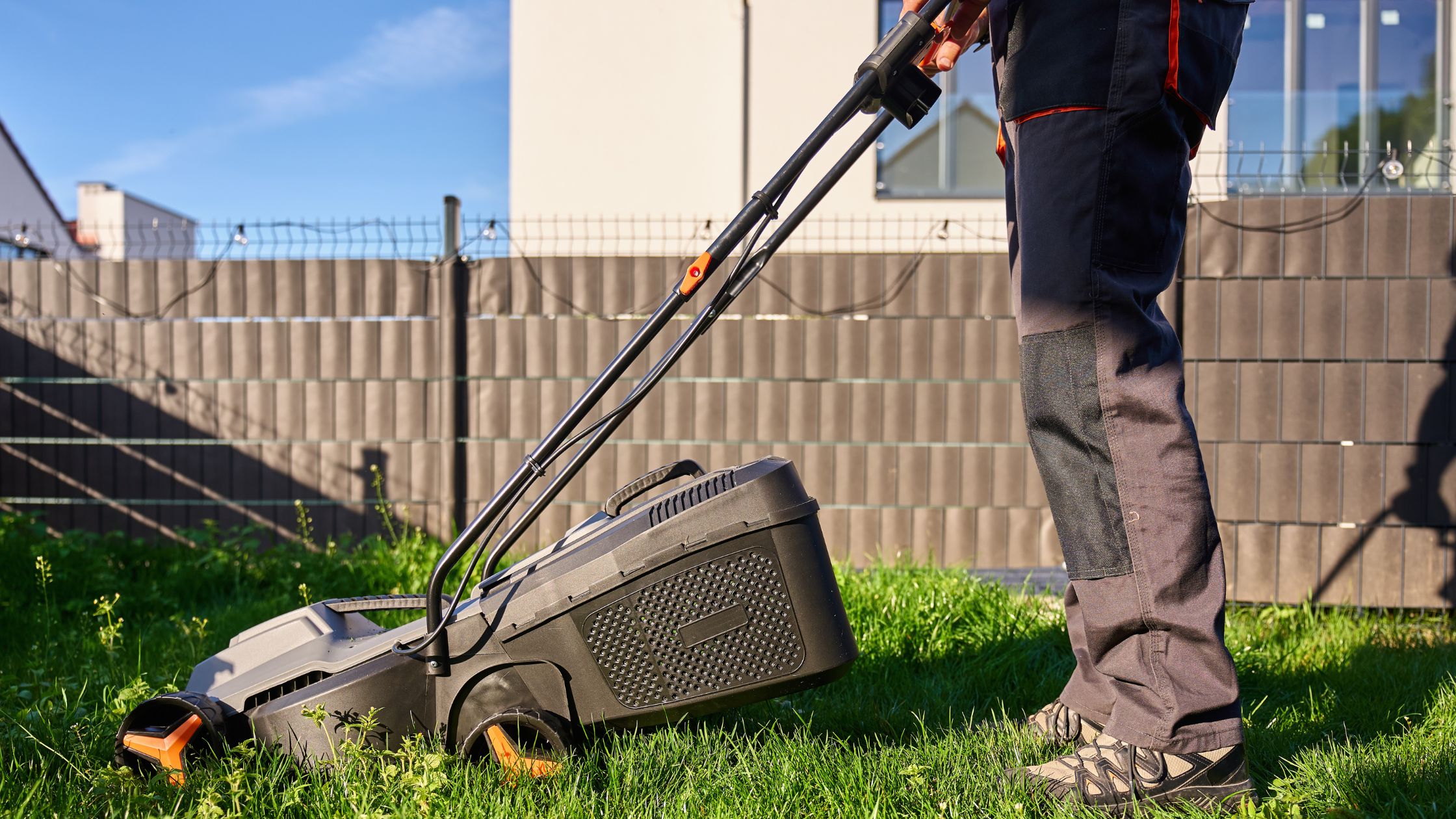
There is a major difference between simply cutting the grass and mowing it correctly. Many residential mowers utilize blades that are not sharpened frequently enough. A dull blade rips and tears the grass rather than slicing it cleanly.
If you look closely at a blade of grass cut with a dull mower, the tip will look shredded and brown. This jagged edge is an open wound that invites disease and causes the grass to lose moisture rapidly. Lawn care professionals sharpen their equipment daily or weekly to ensure a surgical cut. This seals the grass blade quickly, locking in moisture and keeping the lawn green.
Furthermore, lawn upkeep involves adjusting the deck height of the mower based on the season.
- Spring: Grass can be cut slightly lower to remove dead tissue from winter.
- Summer: The deck should be raised. Taller grass shades the soil, keeping the roots cool and preventing weed seeds from germinating.
- Fall: The height is gradually lowered again to prevent matting under winter snow.
Professionals make these adjustments automatically based on the climate and turf conditions, preventing the lawn stress that leads to browning and patchiness.
Soil Health and Nutrient Balance Over Time
A green lawn is only as healthy as the soil beneath it. Over time, soil naturally becomes compacted due to foot traffic, rainfall, and mowing. When soil is compacted, air, water, and fertilizer cannot reach the roots. The grass suffocates, thinning out and making room for hardier weeds to take over.
One of the key lawn maintenance benefits of professional service is the management of soil composition. Professionals can identify when mechanical core aeration is necessary to break up that compaction.
Beyond aeration, proper nutrition is vital. A common mistake in DIY care is the “feast or famine” approach to fertilization—applying too much product once a year, or using a generic mix that doesn’t match the soil’s needs. This can burn the grass or lead to rapid, weak growth that attracts pests.
A residential lawn service will typically apply fertilizers in measured, timed doses. This provides a steady stream of nutrients throughout the growing season. It ensures the grass has the nitrogen it needs for green color, the phosphorus for root growth, and the potassium for disease resistance. This balanced diet builds a lawn that gets stronger every year, rather than one that relies on quick chemical fixes.
Early Detection of Lawn Problems
By the time a homeowner notices a brown patch in the yard, the damage is often already done. Pests like grubs or diseases like brown patch fungus can destroy large sections of turf in a matter of days if left unchecked.
Because professionals are on the property every week, they act as a first line of defense. They are trained to spot the subtle, early signs of distress that the average person might miss, such as:
- Moths flying up from the grass (a sign of sod webworms).
- Slight yellowing in distinct patterns (potential fungal issues).
- Grass that pulls up like a loose carpet (grub damage).
Catching these issues early allows for targeted treatments rather than blanket chemical applications. It prevents minor annoyances from becoming expensive renovation projects. This proactive approach is a cornerstone of effective lawn upkeep, preserving the density of the turf and preventing bare spots where weeds could establish a foothold.
Customized Lawn Care Based on Property Conditions
No two lawns are exactly alike. Even within a single neighborhood, soil types and sun exposure can vary wildly. A generic approach rarely yields excellent results because what works for a sunny, dry front yard will often kill the grass in a shady, damp backyard.
Lawn care professionals assess the specific micro-climates of a property.
- Shady areas: These require higher mowing heights to maximize photosynthesis and may need less fertilizer to prevent burning.
- Sloped areas: These often suffer from runoff and may require different watering or feeding strategies to ensure nutrients soak in rather than washing away.
- High-traffic zones: Areas near patios or walkways may need aeration more frequently due to compression.
By customizing the care based on the specific conditions of the property, the grass is given the best chance to thrive. This tailored attention eliminates the trial-and-error phase that many homeowners go through, leading to a mature, established lawn much faster.
Conclusion
A lush, durable lawn is rarely the result of one-time fixes or miracle products. It is the cumulative result of correct mowing heights, sharp blades, balanced soil nutrition, and regular monitoring. When you ask how professional lawn maintenance improves lawn health, the answer lies in this consistency and expertise. It transforms the lawn from a high-maintenance chore into a self-sustaining ecosystem that resists pests and weeds naturally.
Long-term lawn health is built over time through informed decisions and attention to the unique needs of each property. Homeowners who prefer expert-guided lawn upkeep can explore professional lawn maintenance options available at Max Lawn and Landscaping to better understand how ongoing care supports healthier grass year after year.