Retaining walls play an important role in both the appearance and functionality of a landscape. They help manage soil erosion, create usable outdoor spaces, improve drainage, and add visual appeal to residential and commercial properties. Whether you are planning a new landscaping project or upgrading an existing yard, understanding what are common retaining wall materials can help you make an informed decision.
Different materials offer unique benefits in terms of appearance, strength, maintenance requirements, and cost. Some homeowners prioritize aesthetics, while others focus on long-term performance and durability. Choosing the right material depends on the specific needs of your property and your landscaping goals.
This guide explores the most common retaining wall materials used in landscaping, compares their advantages, and discusses factors that influence the durability of retaining walls.
Why Choosing the Right Retaining Wall Material Matters
A retaining wall is designed to hold back soil and withstand pressure from the surrounding landscape. Because these structures are exposed to weather conditions, moisture, and soil movement, selecting the right material is essential for long-term performance.
The ideal retaining wall material should complement your property’s design while providing the strength needed to support the landscape. The choice can also impact installation costs, maintenance requirements, and overall lifespan.
Understanding the available landscape wall options allows homeowners to balance aesthetics, budget, and functionality.
Stone Retaining Walls
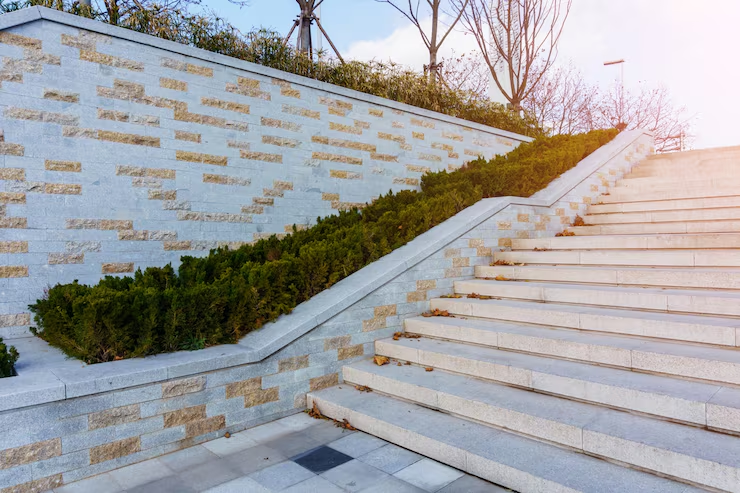
Stone retaining walls are among the most popular and attractive choices in landscaping. Natural stone creates a timeless appearance that blends beautifully with gardens, patios, and outdoor living spaces.
Stone walls can be built using various types of natural stone, including limestone, granite, sandstone, and fieldstone. Each stone offers unique colors and textures that enhance the visual appeal of the landscape.
One of the primary advantages of stone retaining walls is their natural beauty. They provide an upscale appearance that complements both traditional and modern landscapes. Natural stone is also highly durable and resistant to weather damage.
When properly installed, stone retaining walls can last for decades with minimal maintenance. They are particularly suitable for homeowners looking for a premium landscaping feature that adds long-term value to the property.
The main consideration is cost. Natural stone materials and labor-intensive installation often make this one of the more expensive landscape wall options available.
Block Retaining Walls
Brick retaining walls are another widely used solution in residential landscaping projects. These walls are typically constructed using manufactured concrete blocks designed specifically for retaining wall applications.
Many homeowners prefer block retaining walls because they offer a balance between affordability, durability, and visual appeal. Modern retaining wall blocks come in a variety of shapes, colors, and textures, allowing for flexible design possibilities.
The installation process is generally more straightforward than natural stone construction. Many block systems feature interlocking designs that improve stability and simplify installation.
One of the biggest advantages of block retaining walls is their strength. They can effectively support large amounts of soil and are commonly used for taller retaining wall projects.
In terms of durability of retaining walls, concrete block systems perform exceptionally well when installed with proper drainage and foundation preparation. They can withstand harsh weather conditions and require relatively little maintenance over time.
Poured Concrete Retaining Walls
Poured concrete is a popular retaining wall material known for its strength and structural integrity. These walls are created by pouring concrete into forms and allowing it to cure into a solid structure.
Concrete retaining walls offer a clean and modern appearance. They are particularly useful for projects requiring significant soil retention or support on steep slopes.
One major benefit of poured concrete is its ability to handle heavy loads. It is often used in larger residential and commercial applications where maximum strength is required.
Homeowners can also customize the appearance through decorative finishes, textures, or stains. This flexibility makes concrete suitable for various wall design ideas.
However, concrete walls typically require professional installation. Cracking may occur over time if drainage issues are not properly addressed during construction.
Timber Retaining Walls
Timber retaining walls provide a natural and rustic look that works well in many residential landscapes. Pressure-treated wood is commonly used to increase resistance to moisture, insects, and decay.
Timber walls are often selected because they are relatively affordable compared to stone retaining walls and concrete structures. Installation is typically faster and less labor-intensive.
For smaller landscaping projects, timber can be an attractive and practical solution. It blends naturally with garden environments and creates a warm, organic appearance.
While timber walls can last for many years with proper treatment and maintenance, they generally have a shorter lifespan than stone or concrete alternatives. Moisture exposure can eventually lead to deterioration, making periodic inspections important.
When evaluating the durability of retaining walls, timber tends to rank lower than stone and concrete but remains a viable option for certain applications.
Brick Retaining Walls
Brick retaining walls offer a classic appearance that complements many traditional home styles. Bricks create clean lines and a refined aesthetic that can enhance curb appeal.
These walls are durable and capable of providing reliable soil retention when properly constructed. Brick also offers excellent resistance to weather and can maintain its appearance for many years.
One advantage of brick is its versatility. Homeowners can incorporate decorative patterns and architectural details to create unique wall design ideas.
However, brick retaining walls typically require skilled installation and may involve higher labor costs. Over time, mortar joints may need maintenance or repair to preserve structural integrity.
Gabion Retaining Walls
Gabion walls have become increasingly popular in modern landscape design. These structures consist of wire mesh baskets filled with stones or other durable materials.
Gabion walls provide excellent drainage because water can pass through the gaps between the rocks. This reduces hydrostatic pressure and helps prevent water-related damage.
From a design perspective, gabion walls create a contemporary and distinctive appearance. They can be customized using various stone sizes and colors to match surrounding landscape features.
Their strength and drainage capabilities make them an effective choice for erosion control and slope stabilization projects.
Comparing the Durability of Retaining Walls
When considering what are common retaining wall materials, durability is often a major deciding factor.
Natural stone generally offers the longest lifespan. Properly installed stone retaining walls can remain structurally sound for several decades while maintaining their visual appeal.
Concrete block retaining walls also provide excellent longevity. Their engineered design allows them to withstand significant soil pressure and changing weather conditions.
Poured concrete walls offer exceptional strength but require careful drainage management to prevent cracking and structural issues.
Brick walls provide reliable durability and timeless aesthetics but may require occasional mortar repairs.
Timber walls are usually the least durable option due to their susceptibility to moisture and natural aging, although treated wood can significantly extend lifespan.
Gabion walls are highly durable and resistant to environmental stress while providing superior drainage performance.
Factors to Consider When Choosing Landscape Wall Options
Several factors should influence your retaining wall material selection.
Property layout is one of the most important considerations. Steep slopes may require stronger materials such as concrete or block retaining walls.
Budget also plays a significant role. Timber and block retaining walls often provide cost-effective solutions, while natural stone typically involves a higher investment.
Aesthetic preferences should align with the overall landscape design. Stone retaining walls offer a natural appearance, while concrete and gabion walls create more contemporary looks.
Maintenance requirements should not be overlooked. Some materials require regular upkeep, while others offer long-term performance with minimal maintenance.
Professional installation quality is equally important. Even the best retaining wall materials can fail if drainage systems and foundations are not properly constructed.
Popular Wall Design Ideas for Modern Landscapes
Retaining walls can serve both structural and decorative purposes. Modern wall design ideas often combine functionality with visual interest.
Tiered retaining walls are popular for sloped properties because they create multiple planting areas while reducing erosion.
Integrated seating walls provide additional outdoor living space and enhance usability.
Mixed-material designs combine stone retaining walls with concrete or block elements for a unique appearance.
Lighting features can be incorporated into retaining walls to improve nighttime visibility and create a welcoming atmosphere.
Planting pockets and decorative landscaping around retaining walls can further enhance curb appeal and blend the structure into the surrounding environment.
Conclusion
Understanding what are common retaining wall materials is an important step in choosing the right solution for your landscaping project. From the natural elegance of stone retaining walls to the strength and affordability of block retaining walls, each material offers unique benefits. By comparing landscape wall options and considering the durability of retaining walls, homeowners can make a choice that enhances both the appearance and functionality of their outdoor space.
If you’re planning a retaining wall project, contact Max’s Lawn & Landscaping today. Our team can help you select the best material, design a wall that complements your property, and deliver a durable, professional installation built to last.
Frequently Asked Questions
1. What are common retaining wall materials used in landscaping?
The most common retaining wall materials include natural stone, concrete blocks, poured concrete, timber, brick, and gabion systems. Each material offers unique benefits in terms of appearance, cost, and durability.
2. Are stone retaining walls better than block retaining walls?
Stone retaining walls provide a natural and premium appearance, while block retaining walls often offer a more affordable and easier-to-install solution. Both can provide excellent durability when properly constructed.
3. Which retaining wall material lasts the longest?
Natural stone typically has the longest lifespan among retaining wall materials. Properly installed stone walls can last for several decades with minimal maintenance.
4. What is the most affordable retaining wall option?
Timber retaining walls are often among the most affordable options for smaller landscaping projects. Concrete block retaining walls also provide a cost-effective balance of durability and value.
5. How important is drainage for retaining walls?
Proper drainage is critical for all retaining walls. Effective drainage helps reduce pressure behind the wall and significantly improves the durability of retaining walls.