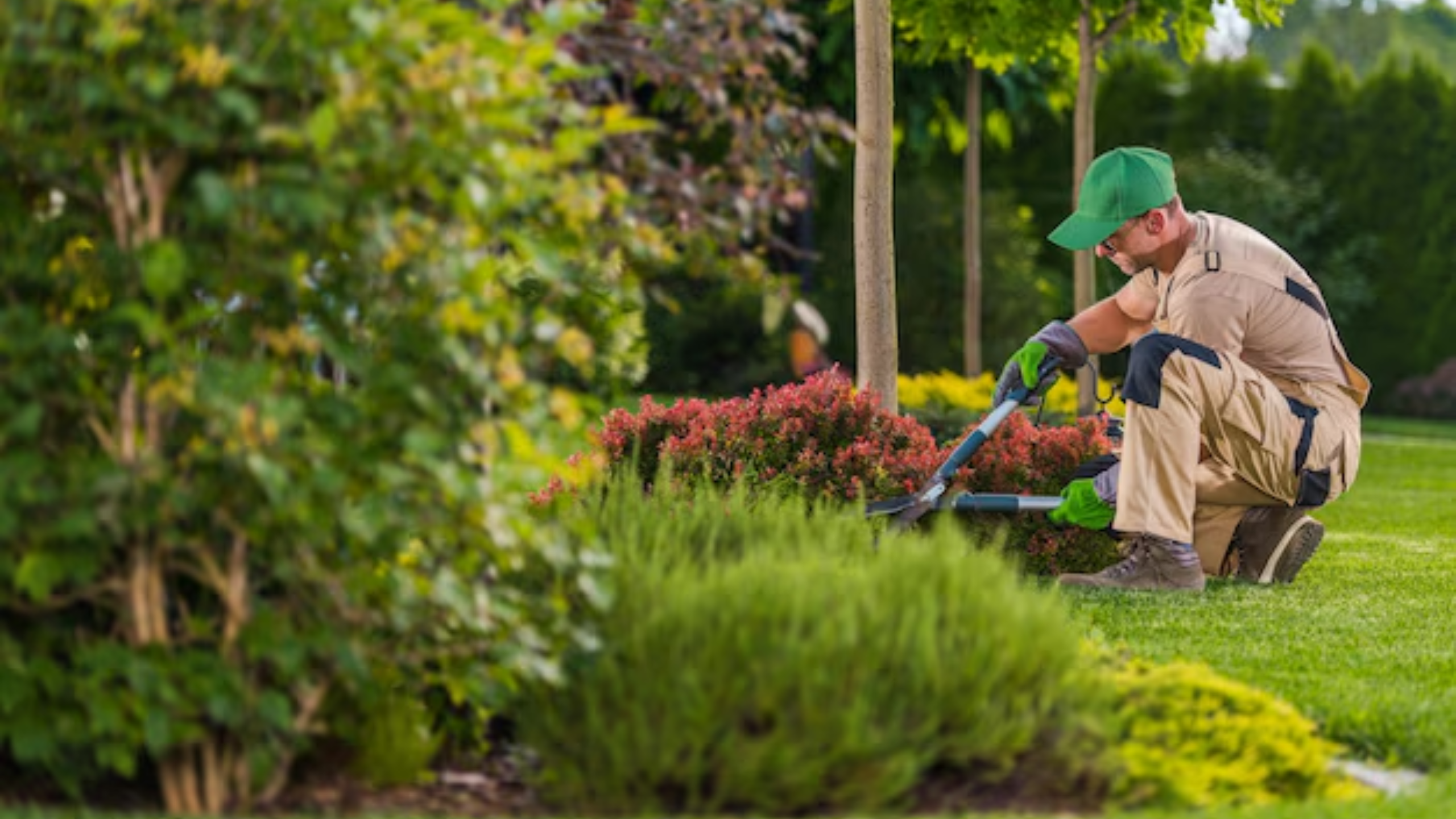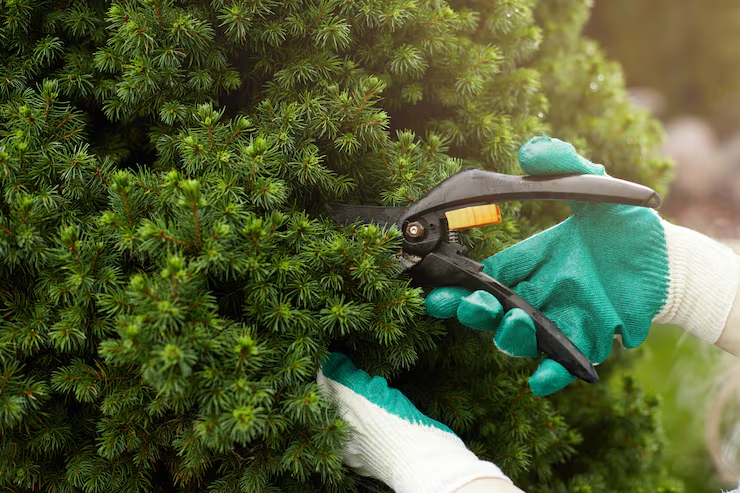
A healthy lawn does not happen by accident. It requires consistent care throughout the year to adapt to changing weather conditions, seasonal growth patterns, and environmental stresses. Many homeowners focus on lawn care only when problems become visible, but proactive maintenance is the key to achieving a lush, green, and resilient landscape.
So, why is seasonal lawn maintenance necessary for residential properties? The answer lies in the way grass responds to seasonal changes. Each season presents different challenges and opportunities for lawn growth. From spring recovery and summer stress management to fall preparation and winter protection, every stage plays an important role in maintaining lawn health.
Understanding the importance of seasonal lawn care helps homeowners make informed decisions and protect their outdoor investment throughout the year.
Understanding the Impact of Seasonal Changes on Your Lawn
Grass is a living plant that reacts to temperature, moisture levels, sunlight, and soil conditions. These factors change throughout the year, affecting how your lawn grows and performs.
In spring, lawns begin recovering from winter dormancy and require nutrients to encourage growth. During summer, high temperatures and drought conditions can place significant stress on grass. Fall provides an opportunity to strengthen root systems before winter arrives, while winter often brings dormancy and reduced growth.
Because each season affects the lawn differently, maintenance strategies must also change. A one-size-fits-all approach rarely produces long-term results. Seasonal lawn care ensures your lawn receives the right treatments at the right time.
Why Is Seasonal Lawn Maintenance Necessary for Long-Term Lawn Health?
One of the biggest reasons homeowners invest in seasonal lawn maintenance is to promote long-term health and sustainability.
When lawns receive proper care throughout the year, they develop stronger root systems, improved disease resistance, and better tolerance to environmental stress. Seasonal maintenance also helps prevent common problems such as weed infestations, bare patches, soil compaction, and nutrient deficiencies.
Rather than reacting to issues after they appear, seasonal maintenance addresses conditions before they become costly repairs. This proactive approach keeps lawns healthier and more attractive throughout the year.
The Importance of Spring Lawn Prep
After winter, most lawns emerge weakened from cold temperatures, snow cover, and reduced sunlight. Spring is the ideal time to help grass recover and prepare for the growing season.
Effective spring lawn prep often includes soil evaluation, fertilization, dethatching when necessary, weed control, and mowing adjustments. These practices encourage healthy growth and create favorable conditions for grass development.
Spring maintenance also allows homeowners to identify areas damaged during winter. Early intervention helps prevent minor issues from becoming major lawn problems later in the year.
A well-prepared lawn enters the growing season with stronger roots, healthier soil, and improved resilience against future stress.
Summer Lawn Care and Stress Management
Summer presents some of the most challenging conditions for residential lawns. High temperatures, intense sunlight, and inconsistent rainfall can quickly affect grass health.
During this period, lawns often require careful watering management, proper mowing practices, and monitoring for pests and diseases. Grass that is cut too short or watered improperly becomes more vulnerable to heat stress.
Seasonal lawn care during summer focuses on preserving moisture, minimizing damage, and maintaining overall turf health. Healthy lawns are better equipped to withstand periods of drought and extreme temperatures.
Regular maintenance throughout summer also helps identify early warning signs of lawn stress before significant damage occurs.
Fall Lawn Cleanup Supports Future Growth
Many homeowners underestimate the importance of fall lawn cleanup, but it is one of the most critical stages of annual lawn maintenance.
Fall provides ideal growing conditions for root development. Cooler temperatures and increased moisture allow grass to recover from summer stress while preparing for winter dormancy.
During fall cleanup, leaves, debris, and dead plant material are removed from the lawn surface. This process improves air circulation and reduces the risk of fungal diseases.
Fall is also an excellent time for fertilization and soil improvement. Nutrients applied during this season support root growth and help lawns store energy for the following spring.
Without proper fall maintenance, lawns may enter winter in a weakened condition, making recovery more difficult when warmer weather returns.
Winter Protection Is Part of Year Round Lawn Care
Although grass growth slows significantly during winter, lawn care does not completely stop.
Protecting the lawn during colder months helps preserve its condition until spring arrives. Heavy foot traffic, compacted snow, and accumulated debris can damage dormant grass.
A comprehensive year round lawn care strategy includes winter protection measures that minimize stress and support healthier spring recovery.
Homeowners who neglect winter lawn care often face increased repair needs when the growing season begins again.
How Seasonal Lawn Maintenance Improves Curb Appeal
A well-maintained lawn significantly enhances the appearance of any residential property.
Consistent seasonal maintenance promotes uniform growth, vibrant color, and a cleaner landscape. Healthy grass creates a welcoming environment and contributes to overall property value.
Lawns that receive regular attention are less likely to develop weeds, bare spots, or discoloration. These improvements help maintain an attractive outdoor space throughout the year.
For homeowners planning to sell their property, curb appeal can make a strong first impression on potential buyers. A professionally maintained lawn often increases perceived property value and marketability.
Preventing Weeds Through Seasonal Lawn Care
Weed prevention is another major reason why seasonal lawn maintenance is necessary.
Weeds compete with grass for nutrients, water, and sunlight. Once established, they can quickly spread across a lawn and become difficult to control.
Seasonal lawn care strategies target weed prevention at critical times throughout the year. Spring treatments help stop early weed growth, while fall maintenance reduces opportunities for invasive plants to establish roots.
Healthy, dense turf naturally suppresses weeds by limiting available space and resources. Regular maintenance supports stronger grass growth and reduces dependence on reactive weed treatments.
Reducing Lawn Diseases and Pest Problems
Lawns are susceptible to various diseases and insect infestations throughout the year.
Seasonal changes often create conditions that favor certain pests or pathogens. Excess moisture, poor airflow, and nutrient imbalances can all contribute to lawn health issues.
Routine seasonal maintenance helps identify problems early and allows for timely corrective action. Healthy lawns are naturally more resistant to disease and pest activity.
Monitoring lawn conditions throughout the year reduces the likelihood of severe outbreaks and minimizes potential damage.
Why Lawn Service Plans Benefit Homeowners
Many homeowners struggle to keep up with changing lawn care requirements throughout the year. This is where professional lawn service plans can provide significant value.
A structured maintenance plan ensures that essential services are performed at the appropriate times. Professional lawn care providers understand seasonal growth cycles and can adjust treatments based on local climate conditions.
Lawn service plans often include mowing, fertilization, weed management, seasonal cleanups, and health assessments. These services help maintain consistency and improve long-term results.
For busy homeowners, professional assistance offers convenience while ensuring lawns receive expert attention year-round.
Climate Awareness and Lawn Care Success
Climate plays a major role in determining lawn care needs. Temperature fluctuations, rainfall patterns, humidity levels, and seasonal weather events all influence grass health.
A climate-aware approach to lawn maintenance recognizes these environmental factors and adapts care practices accordingly.
For example, areas experiencing extended drought conditions may require adjusted watering schedules, while regions with heavy seasonal rainfall may need improved drainage management.
Understanding local climate conditions helps homeowners make better lawn care decisions and achieve more sustainable results.
Conclusion
The answer to why is seasonal lawn maintenance necessary is simple: lawns face different challenges throughout the year and need proper care to stay healthy, attractive, and resilient. From spring lawn prep and summer maintenance to fall lawn cleanup and winter protection, each season plays an important role in supporting long-term lawn health.
Regular seasonal lawn care helps prevent weeds, reduce the risk of disease, improve curb appeal, and promote stronger grass growth. By following a consistent year round lawn care routine, homeowners can enjoy a greener, healthier lawn in every season. If you need expert help maintaining your property, contact Max’s Lawn & Landscaping to learn more about our professional lawn care services.
Frequently Asked Questions
1. Why is seasonal lawn maintenance necessary for homeowners?
Seasonal lawn maintenance is necessary because grass faces different environmental conditions throughout the year. Proper care during each season helps maintain healthy growth, prevent damage, and improve overall lawn appearance.
2. What is included in spring lawn prep?
Spring lawn prep typically includes fertilization, weed control, mowing adjustments, soil assessment, and addressing any winter damage to encourage healthy growth.
3. Why is fall lawn cleanup important?
Fall lawn cleanup removes leaves and debris, improves airflow, reduces disease risks, and prepares the lawn for winter dormancy while supporting stronger root development.
4. How does year round lawn care improve lawn health?
Year round lawn care ensures that lawns receive consistent attention throughout all seasons, helping prevent problems before they become serious and promoting stronger, healthier turf.
5. Are lawn service plans worth it?
Yes. Lawn service plans provide scheduled maintenance and professional expertise, ensuring lawns receive the right treatments at the right time for optimal long-term results.
6. How often should seasonal lawn maintenance be performed?
Seasonal lawn maintenance should be performed throughout the year, with specific services scheduled according to seasonal growth patterns and local climate conditions.