Trees and bushes add beauty, shade, privacy, and value to any property. However, without regular care, overgrown branches and unhealthy growth can quickly affect the appearance and safety of your landscape. Many homeowners ask the same important question: when should trees and bushes be trimmed?
The answer depends on the type of plant, the season, and the overall condition of your landscape. Proper trimming supports healthy growth, improves curb appeal, and prevents future damage. A consistent tree trimming schedule also protects plants from disease and storm-related issues.
In this guide, you will learn the best times for seasonal trimming, why regular pruning matters, and practical bush pruning tips that help maintain a healthy and attractive yard.
Why Regular Tree and Bush Trimming Matters
Regular trimming is an essential part of long-term plant health care and landscape maintenance. Trees and bushes naturally continue growing each year, but uncontrolled growth can lead to weak branches, crowded limbs, and unhealthy plants.
Here are the main reasons homeowners should trim trees and bushes regularly:
Improves Plant Health
Dead, damaged, or diseased branches prevent healthy growth. Trimming removes unhealthy sections so the plant can focus its energy on producing strong branches and leaves.
Proper pruning also improves airflow and sunlight exposure throughout the canopy. This reduces moisture buildup and lowers the risk of fungal infections and pest infestations.
Enhances Safety
Overgrown branches can become dangerous during storms or high winds. Weak limbs may fall on roofs, vehicles, fences, or walkways.
Regular trimming helps identify hazardous branches before they become a serious problem. This is especially important for large trees near homes or power lines.
Boosts Curb Appeal
Well-maintained trees and shrubs improve the overall appearance of your property. Clean and balanced landscaping creates a polished look that enhances property value and leaves a positive impression.
Neatly shaped bushes and properly trimmed trees make outdoor spaces feel more inviting and organized.
Encourages Better Growth
Strategic trimming encourages stronger branch structure and fuller growth. It also helps flowering shrubs and ornamental trees produce healthier blooms during the growing season.
Following a proper tree trimming schedule ensures plants continue developing in the right direction.
When Should Trees and Bushes Be Trimmed?
Understanding when should trees and bushes be trimmed is key to avoiding plant stress and supporting healthy growth.
Different seasons offer different benefits for trimming. The best timing often depends on the species and the purpose of pruning.
Winter Trimming for Dormant Growth
Late winter is often considered the ideal time for trimming many trees and shrubs. During dormancy, plants are less active, which reduces stress caused by pruning.
Benefits of winter trimming include:
- Easier visibility without leaves
- Faster healing during spring growth
- Lower risk of disease spread
- Better branch structure management
Shade trees, fruit trees, and many deciduous plants respond well to winter pruning.
Spring Trimming for Flowering Plants
Spring trimming is best for certain flowering shrubs after they finish blooming. Pruning too early may remove flower buds before they open.
Bush pruning tips for spring include:
- Trim spring-flowering shrubs after blooms fade
- Remove dead winter damage
- Shape bushes lightly without over-pruning
- Avoid excessive cutting during early growth stages
Examples of spring-blooming shrubs include lilacs and azaleas.
Summer Trimming for Growth Control
Summer pruning helps manage excessive growth and improve the appearance of trees and bushes during the active growing season.
Homeowners often use summer trimming to:
- Remove damaged limbs after storms
- Control fast-growing branches
- Improve sunlight penetration
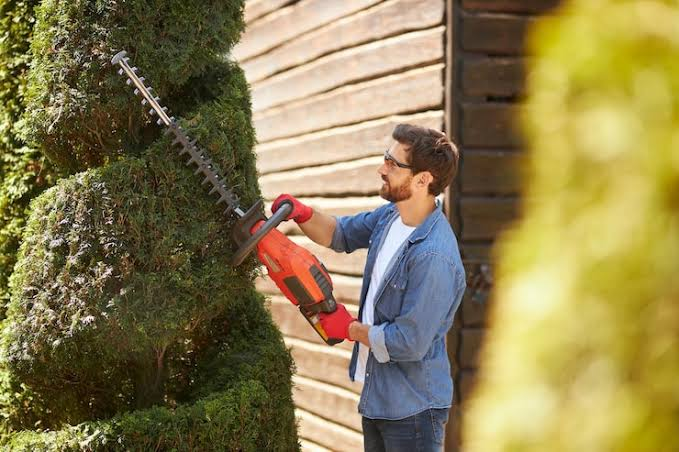
- Shape hedges and shrubs
Light summer pruning can also slow aggressive growth in certain tree species.
Fall Trimming Considerations
Fall is generally not the best time for heavy pruning because plants are preparing for dormancy. Fresh cuts may heal more slowly and become vulnerable to disease or cold damage.
However, light maintenance pruning can still be done in fall to remove dead or broken branches.
Avoid major seasonal trimming late in the season unless recommended by a professional.
Signs Your Trees and Bushes Need Trimming
Homeowners should not rely only on the calendar. Visual signs often indicate when trimming is necessary.
Watch for these common signs:
Dead or Broken Branches
Dead limbs can fall unexpectedly and pose safety risks. Removing them promptly prevents accidents and disease spread.
Overgrown Appearance
Bushes that block windows, walkways, or driveways may need reshaping. Trees with crowded canopies also benefit from thinning.
Diseased or Insect-Damaged Areas
Discolored leaves, fungal growth, or insect activity may indicate unhealthy branches that should be removed.
Poor Growth Patterns
Crossing branches and uneven growth weaken the structure of trees and shrubs over time.
Regular inspections are an important part of effective plant health care.
Essential Bush Pruning Tips for Homeowners
Proper pruning techniques are just as important as timing. Incorrect cuts can damage plants and reduce healthy growth.
Follow these bush pruning tips to maintain healthier landscaping:
Use Sharp and Clean Tools
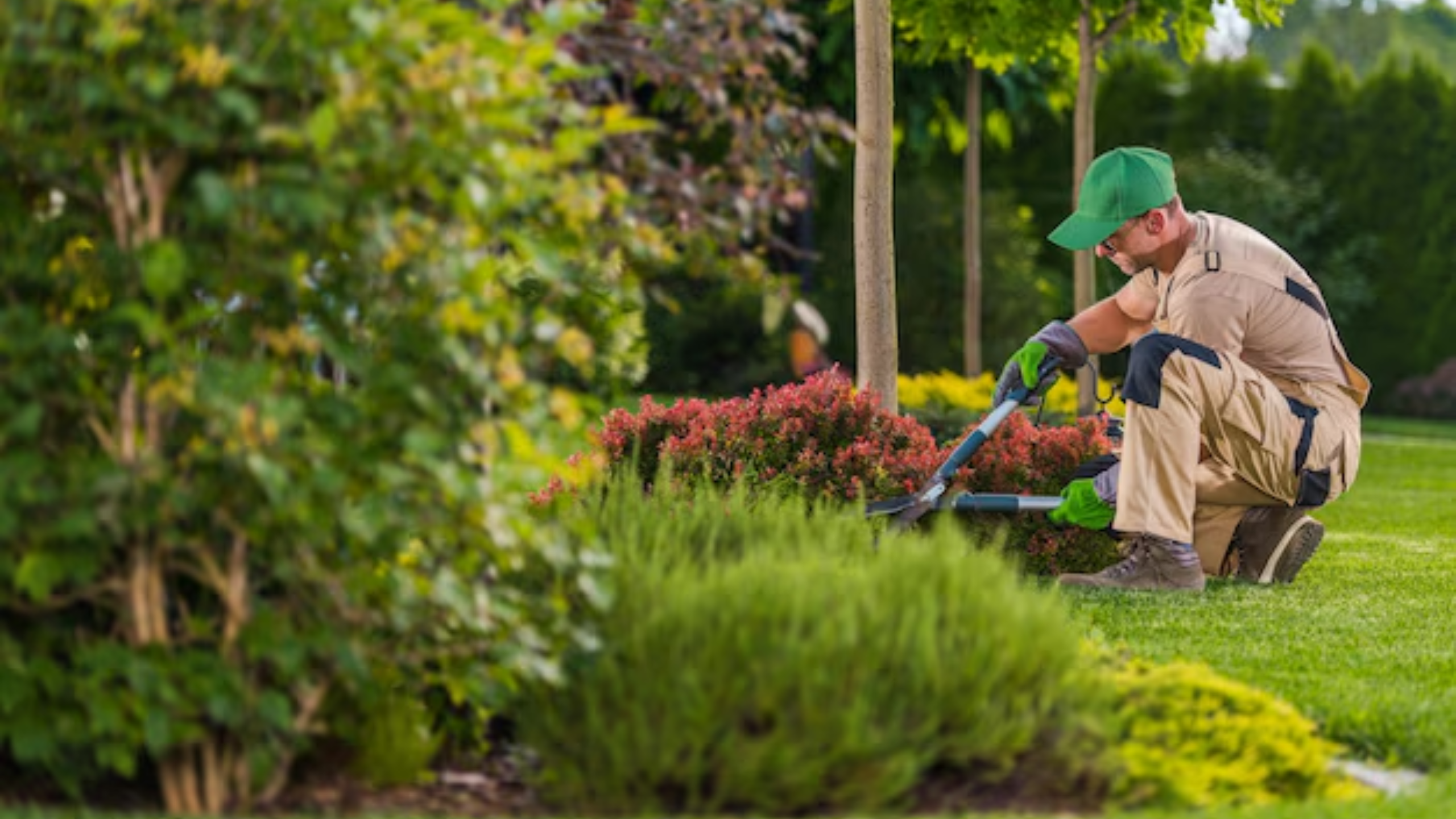
Always use clean pruning shears or loppers to create smooth cuts. Dirty or dull tools may spread disease and damage branches.
Avoid Over-Pruning
Removing too much foliage at once can stress the plant. In most cases, avoid cutting more than one-third of the plant during a single trimming session.
Trim at the Correct Angle
Make cuts slightly above buds or branch joints. Proper cuts encourage healthy regrowth and reduce decay.
Remove Problem Branches First
Start by removing dead, diseased, or crossing branches before shaping the plant.
Maintain Natural Shape
Avoid forcing shrubs into unnatural shapes that interfere with healthy growth patterns.
How Seasonal Trimming Supports Plant Health Care
Seasonal trimming plays a major role in maintaining healthy trees and shrubs throughout the year.
Each season provides unique opportunities for improving plant condition and preventing long-term issues.
Prevents Disease Spread
Regular pruning removes infected branches before disease spreads to healthy areas.
Encourages Strong Structure
Young trees benefit from shaping early growth patterns to develop stronger trunks and balanced canopies.
Improves Airflow
Proper spacing between branches reduces moisture buildup and supports healthier foliage.
Supports Long-Term Landscape Maintenance
Consistent trimming prevents expensive problems later. Neglected trees often require major corrective pruning or removal.
A proactive landscape maintenance plan saves time and protects property value.
Common Tree Trimming Mistakes to Avoid
Many homeowners unintentionally damage trees and shrubs through improper pruning practices.
Avoid these common mistakes:
- Trimming at the wrong time of year
- Topping trees excessively
- Using improper tools
- Ignoring diseased branches
- Removing too much foliage
- Leaving jagged cuts
Professional trimming services can help prevent these issues while protecting plant health.
Why Professional Trimming Services Matter
While minor pruning can be handled by homeowners, larger trees and advanced trimming should be managed by experienced professionals.
Professional crews understand:
- Proper tree trimming schedule planning
- Safe pruning techniques
- Seasonal trimming requirements
- Disease prevention methods
- Long-term plant health care strategies
Professional landscaping services also reduce safety risks associated with climbing ladders or handling large branches.
Conclusion
Knowing when should trees and bushes be trimmed helps homeowners maintain healthier, safer, and more attractive landscapes. Regular trimming improves plant health, supports stronger growth, enhances curb appeal, and prevents costly problems.
The best trimming schedule depends on the season, plant type, and overall condition of your landscape. Winter pruning works well for many trees, while spring and summer trimming help manage shrubs and active growth.
Following proper bush pruning tips and seasonal trimming practices ensures your landscape stays healthy year-round. For larger projects or expert guidance, working with a professional landscaping company can protect both your plants and your property.
If you want reliable tree and shrub care services, contact Max’s Lawn & Landscaping today to schedule professional trimming and keep your landscape healthy in every season.
Frequently Asked Questions
1. When should trees and bushes be trimmed for best results?
Most trees and bushes should be trimmed during late winter or early spring while dormant. However, flowering shrubs may need pruning after blooming.
2. How often should trees be trimmed?
Most mature trees benefit from trimming every 3 to 5 years, while younger trees may require more frequent pruning for structure development.
3. Can trimming improve plant health?
Yes. Regular trimming removes dead or diseased branches, improves airflow, and encourages healthier growth.
4. Is summer a good time for seasonal trimming?
Light pruning and maintenance trimming can be done during summer to control growth and remove damaged branches.
5. What happens if bushes are not pruned regularly?
Overgrown bushes may develop weak growth, reduced airflow, pest problems, and an uneven appearance.
6. Should homeowners hire professionals for tree trimming?
Professional trimming is recommended for large trees, hazardous branches, and advanced pruning to ensure safety and proper plant care.