Trees are an essential part of any landscape, offering shade, beauty, and environmental benefits. However, without proper care, they can quickly turn into a major safety concern. Many homeowners ask, how does tree trimming prevent damage, especially when dealing with storms, aging trees, or overgrown branches.
The truth is that tree trimming is not just about improving appearance. It is a crucial part of maintaining safety and preventing costly property damage. From removing weak branches to strengthening the tree structure, professional trimming plays a vital role in protecting your home and landscape.
In this detailed guide, we will explore how professional tree trimming helps reduce risks, supports storm damage prevention, and ensures effective tree safety maintenance for long-term protection.
Why Unmaintained Trees Can Be Dangerous
Trees that are left untrimmed for long periods often develop hidden structural issues. These problems may not be visible at first but can lead to serious damage over time.
Common Risks of Unmaintained Trees
- Dead or weak branches that can fall unexpectedly
- Overgrown limbs extending over roofs, driveways, and power lines
- Dense canopies that catch strong winds
- Disease or decay weakening the tree from within
- Imbalanced growth causing instability
These risks increase during extreme weather conditions, making regular maintenance essential. Ignoring these warning signs can lead to property damage, injury, or expensive repairs.
How Does Tree Trimming Prevent Damage?
Understanding how tree trimming prevents damage begins with recognizing the purpose of trimming. It is a preventive measure designed to remove hazards and improve the overall strength of trees.
1. Removing Weak and Hazardous Branches
One of the most important benefits of tree trimming is the removal of weak branches. These branches are often:
- Dead or dying
- Cracked or partially broken
- Poorly attached to the trunk
Weak branches are highly likely to fall, especially during wind or storms. When they break, they can damage roofs, vehicles, fences, or even injure people.
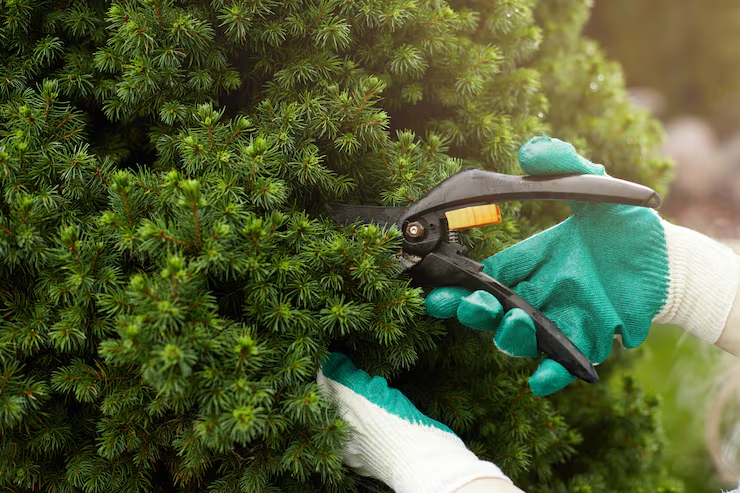
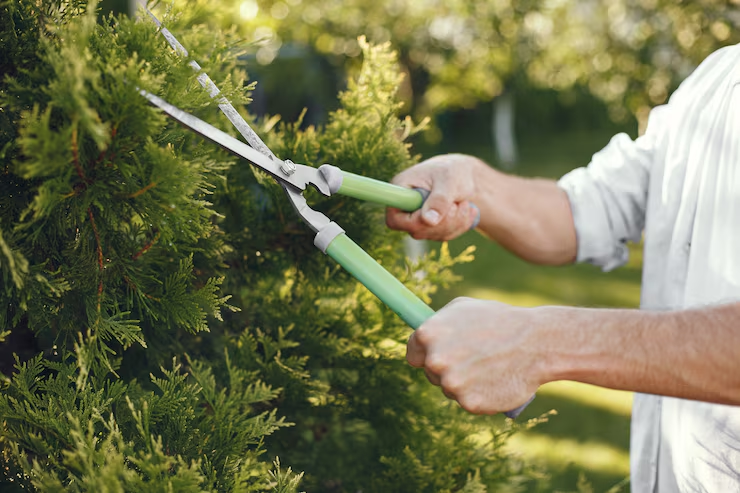
Professional pruning ensures that these hazardous branches are removed safely before they cause harm. This simple step significantly reduces the risk of unexpected accidents.
2. Enhancing Storm Damage Prevention
Storms are one of the leading causes of tree-related damage. Strong winds, heavy rain, and lightning can easily bring down poorly maintained trees.
Storm damage prevention through trimming includes:
- Thinning dense canopies to reduce wind resistance
- Removing heavy limbs that may snap under pressure
- Allowing better airflow through the tree
- Balancing the tree structure for improved stability
When trees are properly trimmed, they are better equipped to withstand harsh weather conditions. This reduces the likelihood of fallen branches or uprooted trees during storms.
3. Protecting Your Home and Structures
Overhanging branches can directly impact your home and nearby structures.
Potential Issues Include:
- Scratching and damaging roofing materials
- Clogging gutters with leaves and debris
- Breaking windows during strong winds
- Causing structural damage if large branches fall
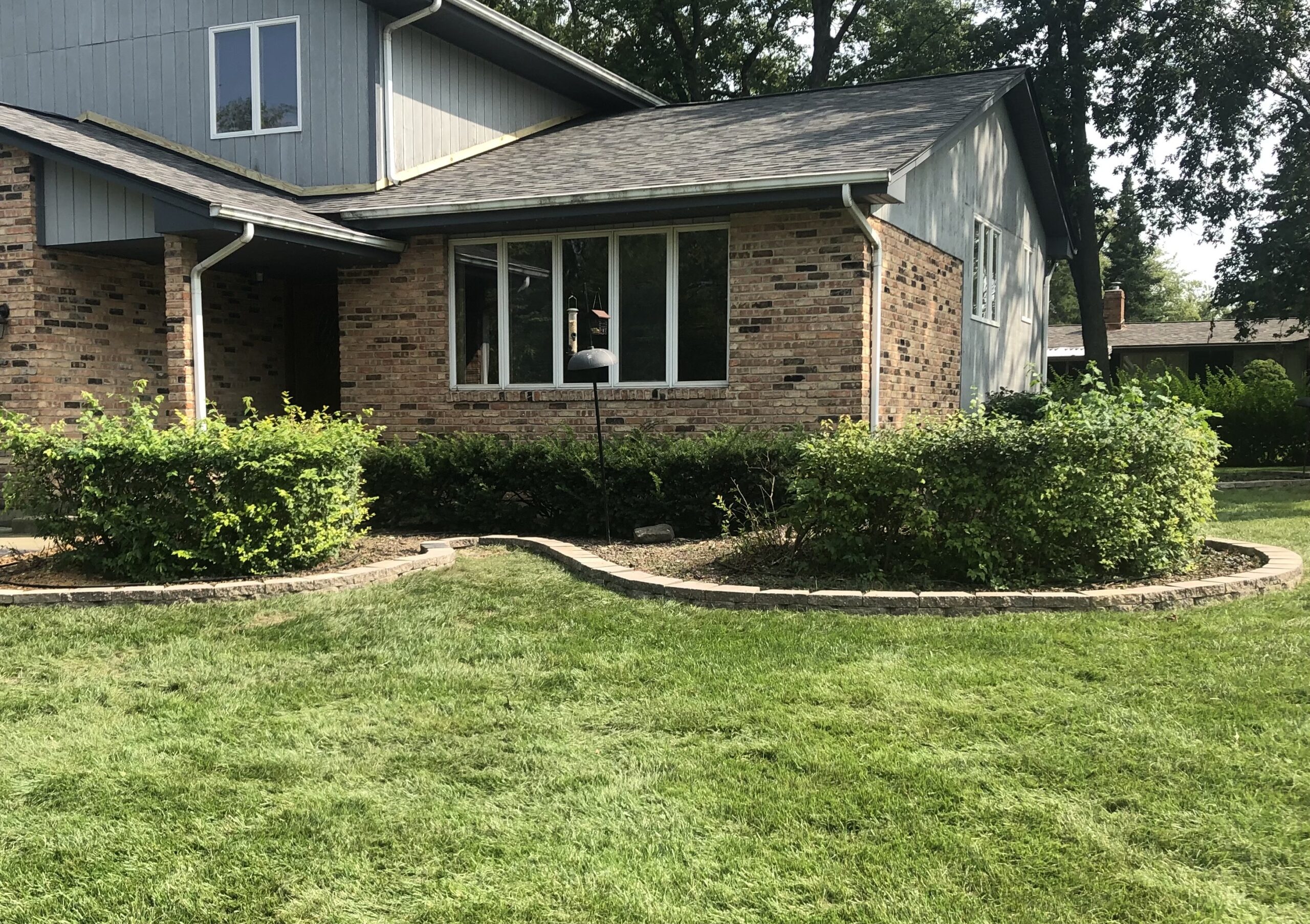
Tree trimming keeps branches at a safe distance from your home. This prevents constant wear and tear while also reducing the chances of sudden damage during bad weather.
4. Preventing Damage to Your Landscape
Trees that are not properly maintained can also harm your outdoor environment.
- Falling limbs can destroy plants, lawns, and garden beds
- Heavy branches can damage fences and outdoor furniture
- Excessive shade can prevent grass and plants from growing
Regular trimming helps maintain a balanced landscape. It allows sunlight to reach plants and prevents unnecessary damage to your outdoor space.
5. Improving Tree Health and Structural Strength
Healthy trees are less likely to fail. Tree safety maintenance focuses on improving both the internal and external health of trees.
Benefits of Professional Trimming:
- Removes diseased or infected branches
- Improves nutrient distribution throughout the tree
- Encourages strong and stable growth
- Reduces the spread of decay
A healthy tree is stronger, more stable, and better able to withstand environmental stress.
The Importance of Professional Pruning
Tree trimming may seem simple, but it requires expertise and precision. Improper trimming can weaken a tree or create new risks.
Why Professional Pruning Is Essential:
- Experts can identify hidden structural issues
- Proper cutting techniques prevent damage to the tree
- The right tools ensure safe and efficient work
- Professionals understand the correct timing for trimming
DIY trimming can sometimes lead to over-cutting or improper cuts, which may harm the tree. Hiring professionals ensures the job is done safely and effectively.
Tree Safety Maintenance for Long-Term Protection
Tree trimming should be part of a regular maintenance plan rather than a one-time task. Ongoing tree safety maintenance helps prevent problems before they develop.
Key Maintenance Practices:
- Regular inspections to identify weak or damaged branches
- Scheduled trimming to control growth
- Monitoring for pests and diseases
- Immediate removal of hazardous limbs
Preventive maintenance is always more cost-effective than dealing with emergency damage.
When Should You Trim Your Trees?
Timing plays a crucial role in maximizing the benefits of tree trimming.
Best Times for Trimming:
- Late winter or early spring for most trees
- Before storm seasons to improve safety
- After storms to remove damaged branches
- Whenever signs of weakness or decay appear
Regular trimming at the right time ensures optimal tree health and safety.
Signs Your Tree Needs Immediate Attention
Knowing when to trim your trees can prevent serious damage.
Warning Signs Include:
- Hanging or broken branches
- Cracks in large limbs
- Dead or decaying wood
- Branches touching your home or power lines
- Leaning or unbalanced trees
If you notice any of these signs, it is important to take action quickly to avoid potential hazards.
Cost of Tree Trimming vs Cost of Damage
Many homeowners hesitate to invest in tree trimming. However, the cost of damage caused by neglected trees is often much higher.
Potential Costs of Ignoring Tree Maintenance:
- Roof and structural repairs
- Broken windows and siding
- Damaged vehicles or outdoor furniture
- Emergency tree removal services
- Landscape restoration
Regular trimming is a proactive investment that helps you avoid these expensive and unexpected costs.
Additional Benefits of Tree Trimming
In addition to preventing damage, tree trimming offers several other advantages.
Key Benefits:
- Improves the overall appearance of your property
- Promotes healthier and longer-lasting trees
- Increases sunlight exposure for lawns and plants
- Reduces the risk of pests and diseases
- Enhances safety for family and visitors
Well-maintained trees contribute to both the beauty and safety of your property.
Why Choose Max’s Lawn & Landscaping
Max’s Lawn & Landscaping is committed to providing professional tree care services that prioritize safety and long-term results.
What Makes Them Stand Out:
- Experienced team with knowledge of tree care techniques
- Safe and efficient trimming practices
- Customized solutions based on your landscape needs
- Focus on preventing damage before it occurs
Their expertise ensures that your trees remain healthy, stable, and safe throughout the year.
Conclusion
Understanding how tree trimming prevents damage is essential for protecting your property and maintaining a safe environment. Regular trimming removes weak branches, improves tree health, and supports effective storm damage prevention.
With proper professional pruning and consistent tree safety maintenance, homeowners can reduce risks, avoid costly repairs, and ensure long-term safety. Trees should enhance your property, not pose a threat.
Choosing experts like Max’s Lawn & Landscaping ensures that your trees are cared for with precision and professionalism. Investing in regular tree trimming today is a smart step toward preventing damage and maintaining a safe, beautiful landscape for years to come.
Contact us today at Max’s Lawn & Landscaping to schedule your professional tree trimming service and keep your property safe year-round.
Frequently Asked Questions
1. How does tree trimming prevent damage?
Tree trimming removes weak branches, reduces wind resistance, and prevents overgrowth near structures, lowering the risk of falling limbs and property damage.
2. How often should trees be trimmed?
Most trees should be trimmed every 1 to 3 years, depending on their growth rate and overall condition.
3. Does trimming help with storm damage prevention?
Yes, trimming strengthens the tree structure and reduces the likelihood of branches breaking during storms.
4. What is professional pruning?
Professional pruning involves strategic trimming techniques to improve tree health, safety, and structure.
5. Can I trim my trees myself?
Small tasks may be manageable, but large or hazardous branches should always be handled by professionals.